Deep dive · Region
Easter Island — Land of the Moai — Full Guide (Chile)
Rapa Nui's statues, volcanoes and the mystery of the island in the middle of the Pacific
Last updated 2026-08-10
- Location
- 3,700 km from Chile
- Size
- 163 km²
- Moai
- ~900 statues
- Flight
- 5h from Santiago
- Best time
- Oct – Apr
- Minimum stay
- 3 – 4 days
Table of contents
Overview
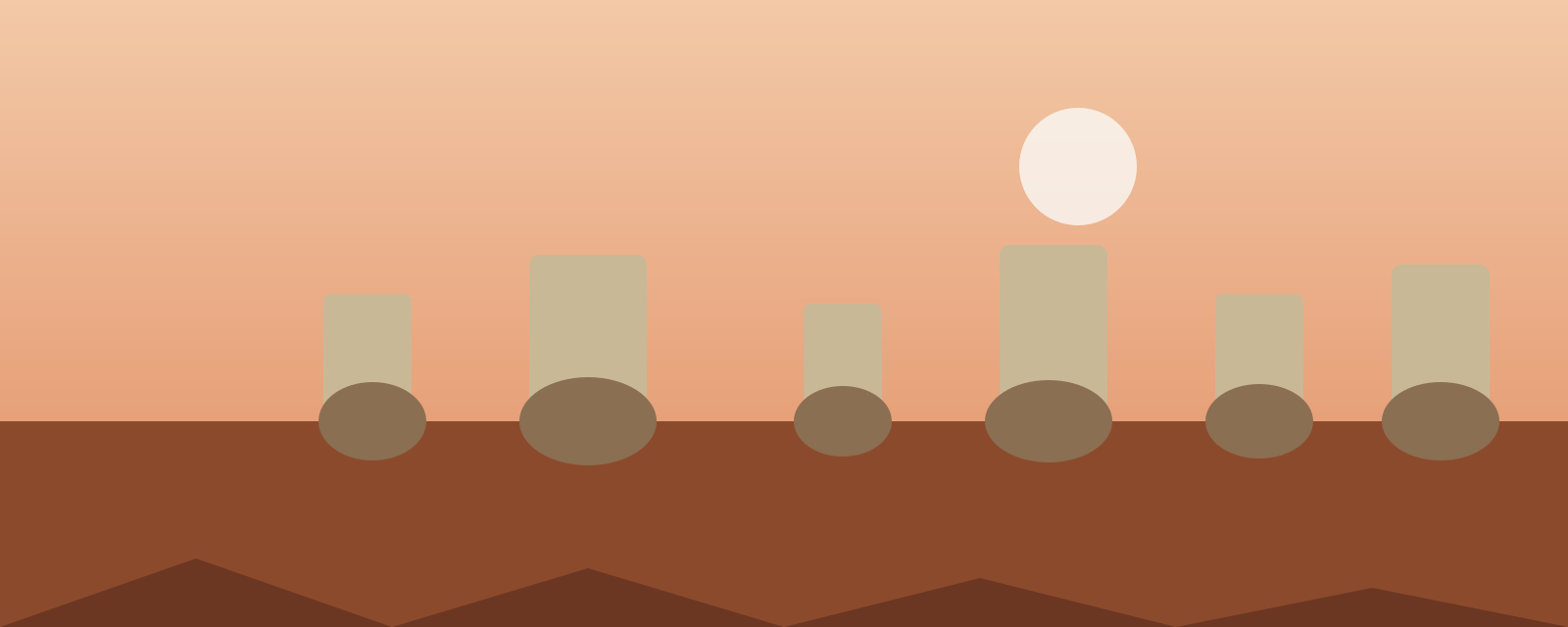
Rapa Nui — Easter Island — is one of the most remote inhabited places on earth: a 163 km² volcanic triangle in the middle of the Pacific, 3,700 km from mainland Chile and closer to Tahiti than to Santiago. Its fame comes from the moai, the giant stone statues carved between the 13th and 16th centuries and carried across the island to their stone platforms (ahu). Almost 900 of them survive.
The island is small enough to explore in three days — one for the quarry and the famous platforms, one for the volcanoes and beaches, one for the smaller sites and the Rapa Nui culture. The flight takes five hours from Santiago, so plan for arrival and departure days.
The moai sites
The three essential sites cover the story of the statues from quarry to platform:
- Rano Raraku — the volcanic quarry where all moai were carved, still littered with unfinished statues. It is the single most impressive site on the island.
- Ahu Tongariki — fifteen restored moai on a long platform facing the sunrise, the most photographed line of statues on Rapa Nui.
- Ahu Tahai — the sunset site near Hanga Roa, where the only moai with eyes restored in place stands. Go at dusk.
Each site needs a Rapa Nui National Park ticket (good for multiple days). Guides are worth hiring at the quarry — they bring the moai's story alive.
Volcanoes, beaches and culture
- Rano Kau & Orongo — the southern volcano with a crater lake, and the ceremonial village of Orongo where the birdman cult was decided each year.
- Anakena Beach — the island's only white-sand beach, backed by restored moai. Great for a swim after the quarry.
- The Rapa Nui people — the island is Polynesian, not Chilean: the language, the dance, the tattoo traditions and the food (tuna, sweet potato, banana, local pork) are all distinct. Eat at the family restaurants in Hanga Roa.
- Terevaka volcano — the island's highest point; the hike up gives a 360° view of the whole triangle.
Getting around
Hanga Roa is the only town and everything on the island radiates from it. Rent a car or a scooter for the day — the sites are spread along the island's three corners. Bicycles work for the southern sites but struggle on the long western road. Tour guides and 4x4s are the alternative; the quarry and Tongariki are best visited early to beat both the sun and the tour groups.
Practical tips
- Book the flight and accommodation months ahead — seats from Santiago are limited and expensive.
- Bring cash: ATMs exist but the island runs on a small cash economy, and cards are accepted at the big restaurants only.
- The sun here is equatorial-strength: hat, sunscreen and water for every excursion.
- Allow four days: arrival, two exploring days, departure. Anything less is a rushed checkbox.
- The national park ticket covers all sites and is checked at the quarry — keep it on you.
- Combine with a mainland trip in the same visit — the flight is the expensive part, and Santiago is the only practical hub.
Map of the Story
Bookings & Gear for This Trip
These partners help make the trip happen — we only recommend services we'd use ourselves.